

Research Training Group (RTG) 3151
Development and epileptogenesis of dysplasias
in the interplay of distinct CNS cell types
Funded by the German Research Foundation
(Deutsche Forschungsgemeinschaft (DFG))
About
The research training group (RTG) 3151 is based on a collaborative effort between the Medical, the Mathematical and Natural Sciences Faculties of the University of Bonn and the German Center for Neurodegenerative Diseases (DZNE) in Bonn, Germany.
The program intends the recruitment of outstanding doctoral students by offering an inspiring scientific and qualification environment based on cutting-edge experimental approaches to gain:
- a deeper understanding of how basic mechanisms of neurodevelopment are exploited by nascent focal cortical dysplasias (FCDs)
- dysplasia formation
- the creation of a structurally and functionally impaired network environment
- as basis to provide better treatment strategies including CRISPRa/i-based and photopharmacological approaches
The RTG 3151 faculty aims at guiding students to develop a genuine scientific profile enabling early career researchers to launch successful scientific careers as ‘Medical Scientists’ or ‘Research Clinicians‘. The faculty integrates expertise in vascular, developmental, molecular and functional neurobiology, synaptology and experimental epileptology with advanced FCD experimental and human model systems.
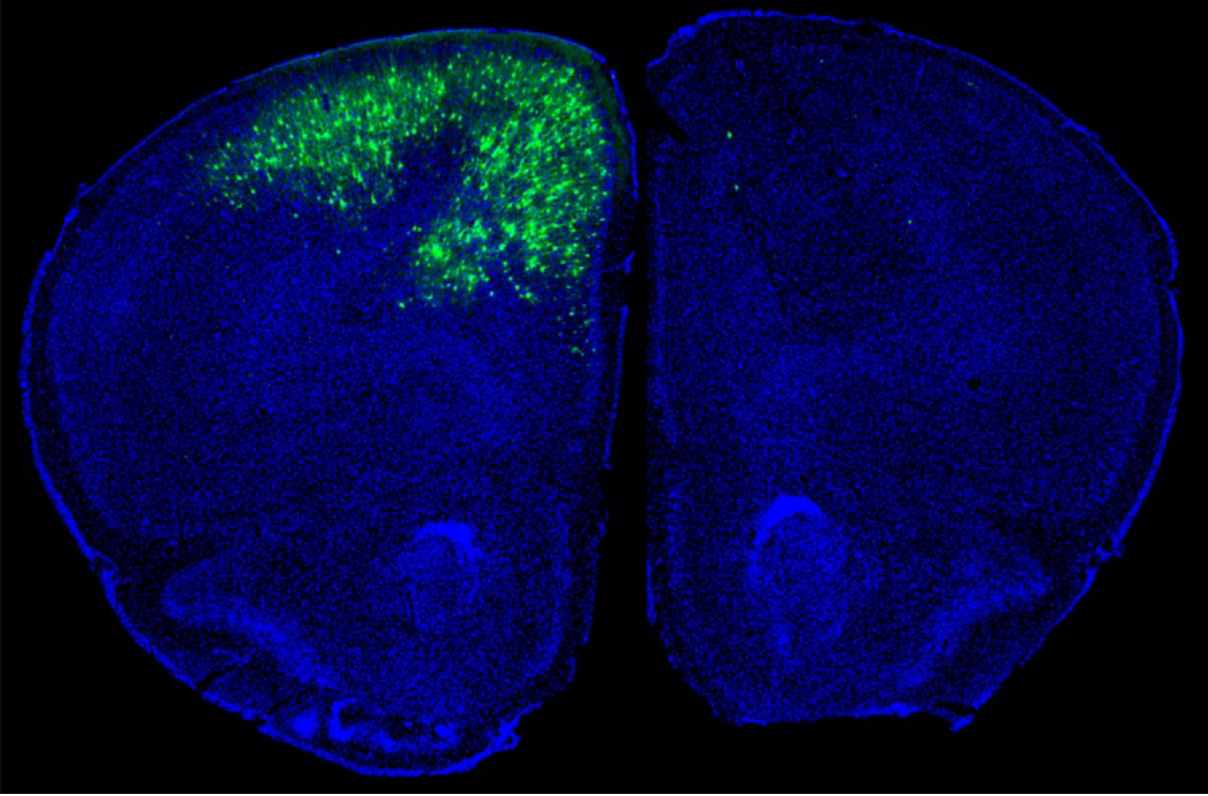
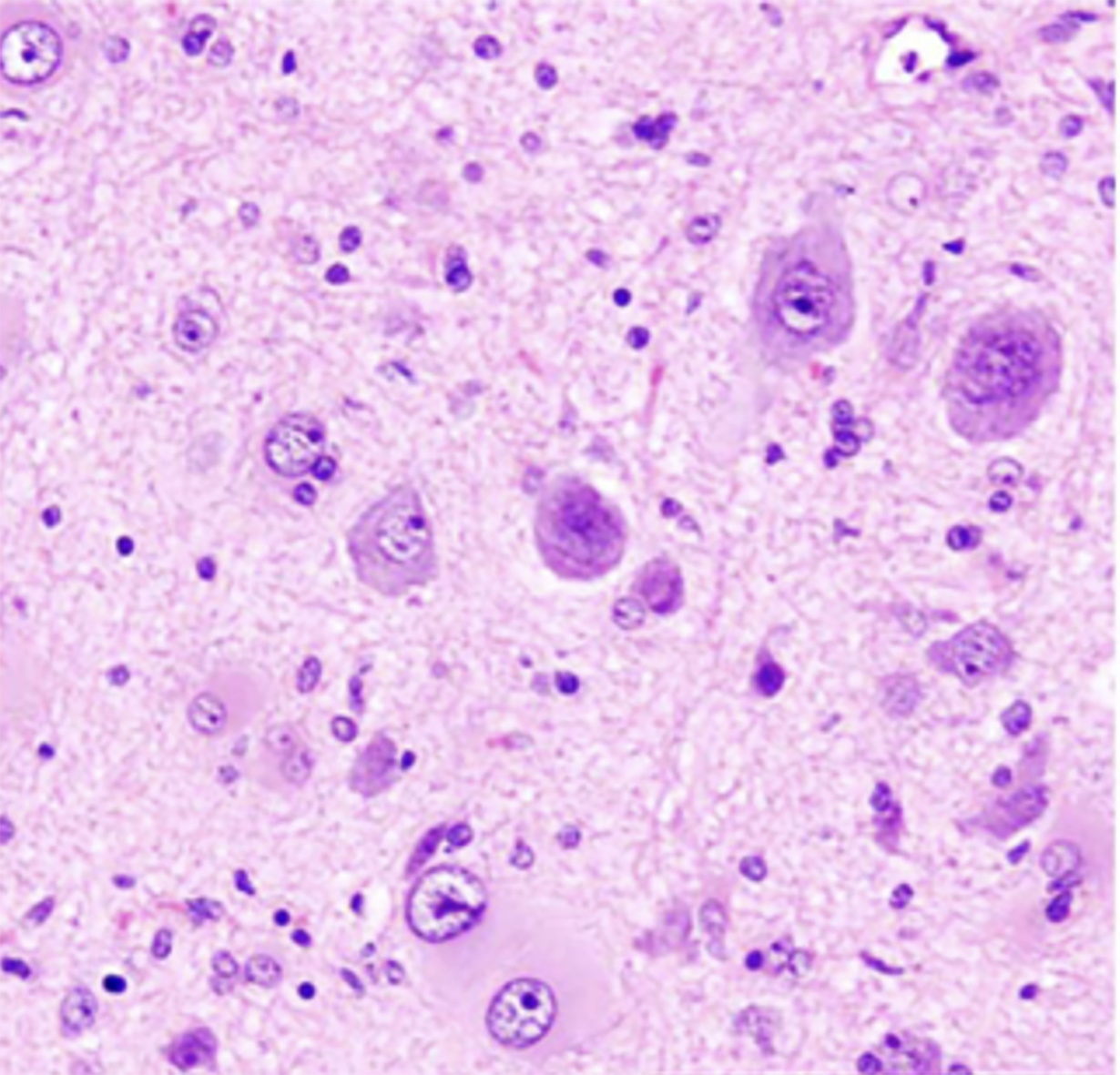
Focal cortical dysplasias (FCDs) are increasingly diagnosed neurodevelopmental disorders associated with drug-resistant epilepsy and cognitive and behavioral impairment. Surgery is often the only treatment option, but is restricted to a fraction of patients. So far, increasing knowledge of the genetic basis of dysplasias has only led to limited improvements in treatment.
Pathomorphologic studies suggest several key neurodevelopmental processes are highly relevant:
- Neurovascular communication
- Microglia–neuron interaction
- Neurite and synapse plasticity
- Monoaminergic signaling
Projects of this RTG will elucidate the role of these mechanisms in the emergence of the clinically most challenging FCD variants and in their phenotypic manifestations including seizures and memory impairment. Based on the resulting novel pathogenetic insights, the RTG will develop new treatment strategies. Therefore, a new generation PhD and MD students will be trained to integrate highest level skills in basic neuroscience with profound knowledge of the clinically relevant context of their research.
The PhD and MD projects will be embedded in an innovative teaching and training environment of the RTG, which promotes interdisciplinarity through various elements, including tailor-made clinical rotations for PhD students, intensified peer learning and international project stages in excellent partner laboratories.
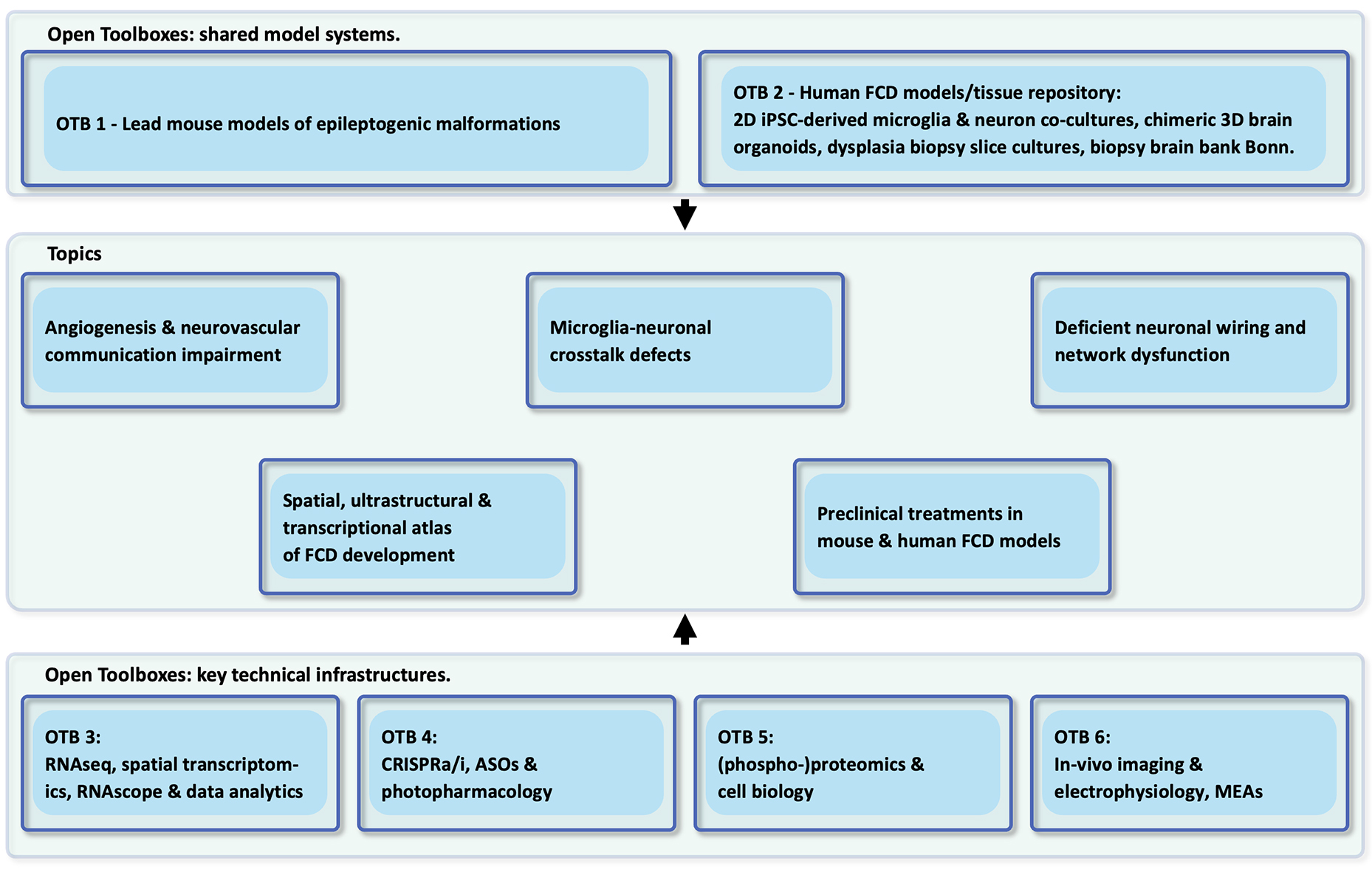
- Your PhD project: Apply the most innovative neuroscience methods to understand key pathogenetic aspects of cortical maldevelopment and seizure emergence. Get access to highest standard techniques relevant to your project by RTG-wide ‘open tool boxes’.
- Your qualification: Get qualified by a multitude of training opportunities including soft skill and cutting edge methods work-shops, peer learning in small groups, writing circles etc..